
What causes dry mouth, and how can you protect your teeth?
Saliva does a lot of quiet work. When there isn't enough, teeth and gums feel the difference.
Dry mouth, or xerostomia, most often comes from medications, including many for blood pressure, allergies, depression and pain. Dehydration, mouth breathing, smoking, diabetes, Sjögren's syndrome and cancer treatment can also reduce saliva. Low saliva raises the risk of cavities, gum disease and mouth sores, so sipping water, sugar-free gum and extra fluoride help protect teeth.
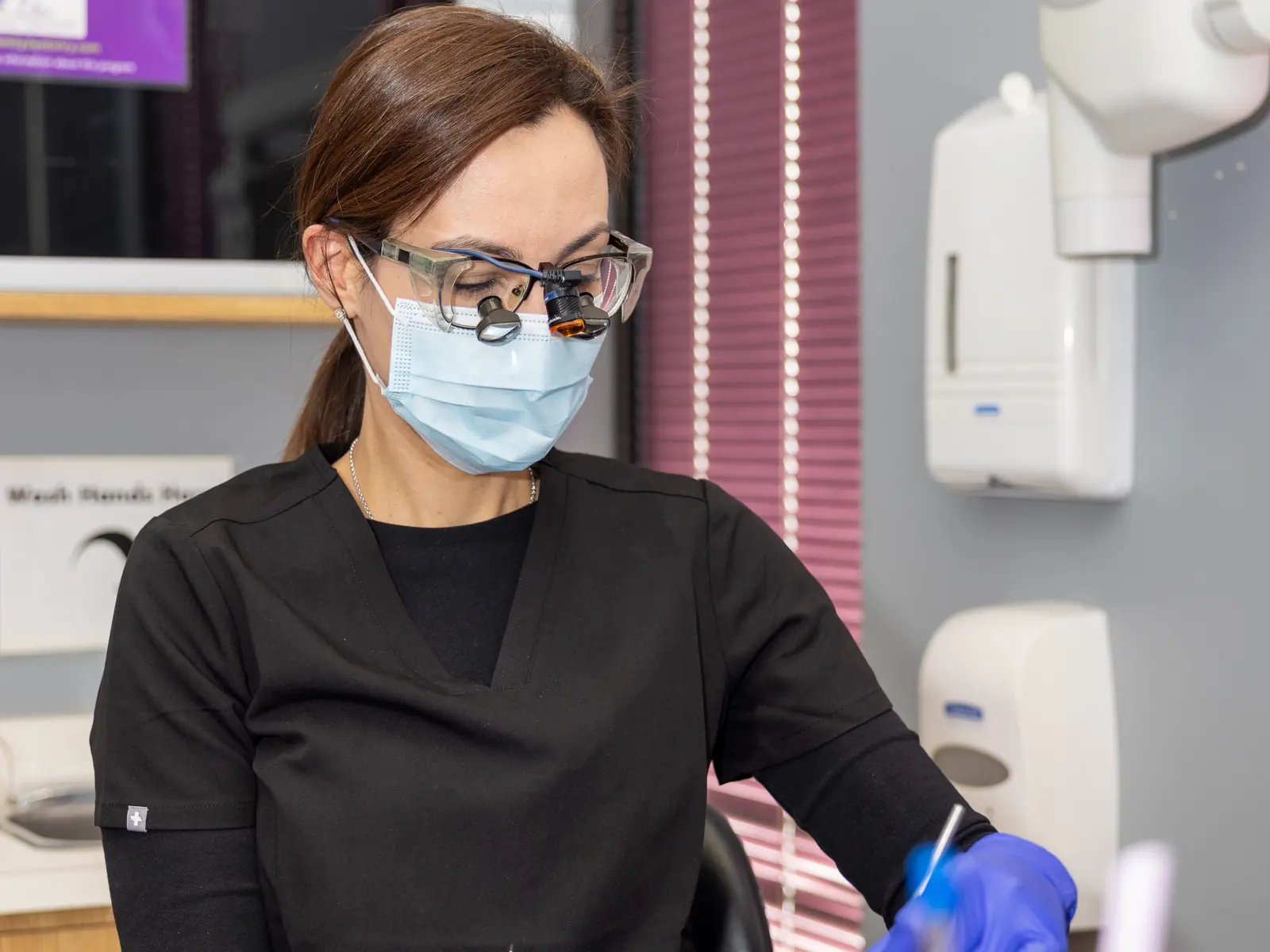
What saliva does
Saliva rinses away food, neutralises acids, carries minerals that repair enamel and helps control bacteria. It also makes chewing, swallowing and speaking comfortable and helps dentures stay in place. When flow drops, all of these protections weaken.
Most adults produce somewhere between half a litre and a litre and a half of saliva a day. Flow is lowest during sleep, which is why dry mouth often feels worse first thing in the morning.
Common causes
- Prescription and over-the-counter medicines, especially when several are taken together
- Not drinking enough water, or drinking a lot of coffee or alcohol
- Breathing through the mouth, often at night
- Smoking, vaping or cannabis use
- Diabetes and some autoimmune conditions, such as Sjögren's syndrome
- Radiation to the head and neck or some chemotherapy
- Normal ageing changes combined with medication use
Signs to watch for
- A sticky or dry feeling, especially on waking
- Thick, stringy saliva
- Cracked lips or sores at the corners of the mouth
- Trouble swallowing dry foods or wearing dentures
- A burning tongue or changes in taste
- New cavities near the gumline or on root surfaces
Everyday relief
Some prescription medicines can increase saliva flow in people with conditions such as Sjögren's syndrome or after radiation therapy. Ask your doctor whether one might suit you.
- Sip water throughout the day and keep a glass by the bed
- Chew sugar-free gum or suck on sugar-free lozenges, ideally with xylitol
- Use a cool-mist humidifier in your bedroom
- Choose an alcohol-free mouth rinse or a saliva substitute from the pharmacy
- Limit caffeine, alcohol and salty or spicy foods
- Avoid sipping sugary or acidic drinks over long periods
Protecting your teeth
Because decay can move faster in a dry mouth, your dentist may suggest a higher-fluoride toothpaste, in-office fluoride varnish and more frequent cleanings. Bring a list of your medications to each visit. Never stop or change a medicine on your own, but you can ask your doctor or pharmacist whether another option causes less dryness.
If you wear dentures, a dry mouth can cause sore spots and looser fit. Let us know so we can check the fit and the tissue underneath.
Root surfaces exposed by gum recession are softer than enamel and decay faster in a dry mouth. Regular checkups help catch these cavities while they are small.
Frequently asked questions
Is dry mouth just part of getting older?
Ageing alone doesn't usually cause it. Older adults tend to take more medications, which is the most common reason.
Can dry mouth cause bad breath?
Yes. Less saliva means bacteria build up faster, especially on the tongue and overnight.
Should I see a doctor about dry mouth?
If it's new, constant or comes with dry eyes, joint pain or excessive thirst, talk to your doctor, since it can signal a medical condition.
Can a dry mouth affect my dentures?
Yes. Saliva helps dentures grip and protects the gums from rubbing. With less saliva, dentures may feel loose or cause sore spots, so let us know if this happens.
Related services
More patient guides
Trusted health information
General information only; not a substitute for an exam. Reviewed by Dr. Sayeh Maralani, DDS, general dentist. Last updated 2026-11-03.
Book your family's next visit
New patients welcome. We check your coverage before treatment.