
Baby teeth care: a timeline from birth to age six
What to do for your child's mouth at each stage, from newborn gums to the first wiggly tooth.
Wipe your baby's gums daily from birth. Start brushing twice a day with a rice-grain smear of fluoride toothpaste when the first tooth appears, often around six months. Book a dental visit by the first birthday. Switch to a pea-sized amount at age three, and expect the first baby tooth to loosen around age six.
Birth to six months
Even before teeth appear, wipe your baby's gums once a day with a clean, damp cloth or gauze. This removes milk residue and gets your baby used to having their mouth cleaned.
Avoid putting your baby to sleep with a bottle of milk, formula or juice. Pooling liquid can lead to early childhood tooth decay once teeth arrive.
Six to twelve months
The lower front teeth usually come in first, often between six and ten months. Teething can bring drooling, chewing and fussiness. A cool teething ring or a clean finger rubbed on the gums can help. Talk to your pharmacist or doctor before giving any pain medicine.
- Brush twice a day with a soft infant brush
- Use a rice-grain-sized smear of fluoride toothpaste, as Health Canada and the Canadian Dental Association advise
- Introduce an open cup around six months
- Book a first dental visit within six months of the first tooth or by 12 months
Ages one to three
Most of the 20 baby teeth arrive in this window, with the back molars coming in last, often by about age three. Lift your child's upper lip once a month and look for white chalky lines or brown spots near the gums. These can be early signs of decay.
Aim to wean from the bottle around 12 to 18 months. Keep juice to a minimum and offer water between meals.
Toddlers often resist brushing. Try brushing with your child lying down with their head in your lap, singing a two-minute song, or letting them brush a toy's teeth first. Let them have a turn, then finish the job yourself.
Ages three to six
- Use a pea-sized amount of fluoride toothpaste
- Keep helping with brushing; most children can't brush well alone until about age eight
- Start flossing where teeth touch
- Ask about sealants for deep grooves and fluoride varnish if decay risk is higher
- Watch for the first loose tooth, usually a lower front tooth, around age six
- Expect the first permanent molars to erupt behind the baby teeth around the same time
Regular checkups along the way
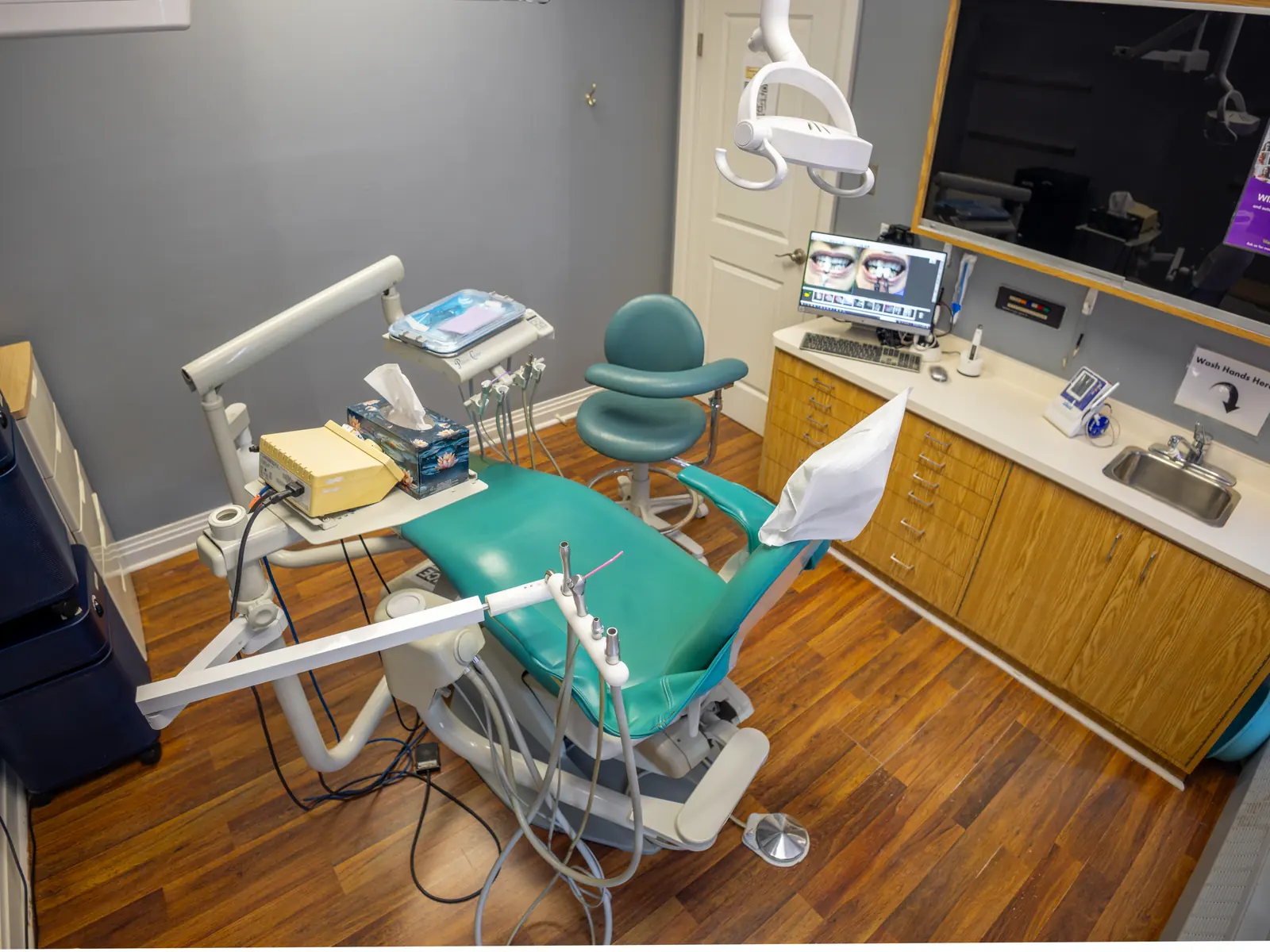
Most children see the dentist every six months, or more often if they are prone to cavities. Early, relaxed visits let the dentist spot problems while they are small and help your child feel at ease in the chair. At our office, young children can sit on a parent's lap for the first few visits.
Bring a list of questions to each visit. Parents often ask about teething gels, juice, night feeds, soothers and when to start using a cup. No question is too small.
Frequently asked questions
What if my baby's teeth come in late?
Timing varies a lot. Some babies have no teeth until after their first birthday. If there are none by about 18 months, mention it at a dental or medical visit.
Is a little bleeding normal when brushing a toddler's teeth?
Occasional pink on the brush often means plaque is irritating the gums. Gentle, regular brushing usually clears it. If it continues, book a checkup.
Should I worry about a tooth knocked out in a fall?
Call the dentist right away. Do not try to put a baby tooth back in its socket, as this can harm the adult tooth underneath.
Related services
More patient guides
Trusted health information
General information only; not a substitute for an exam. Reviewed by Dr. Sayeh Maralani, DDS, general dentist. Last updated 2026-11-03.
Book your family's next visit
New patients welcome. We check your coverage before treatment.