
Invisalign vs braces: which is right for you?
Both straighten teeth. They differ in how they look, how you care for them and which cases they suit.
Invisalign uses a series of removable clear aligners worn 20 to 22 hours a day. Braces use brackets and wires fixed to the teeth. Aligners are less visible and easier to clean around, but rely on you wearing them. Braces may suit some complex movements better. An assessment shows which option fits your teeth.
How each one works
Clear aligners are thin, custom-made plastic trays. You switch to a new set on a schedule, and each set moves your teeth a small amount. Small tooth-coloured bumps called attachments are often bonded to some teeth so the aligners can grip and guide them.
Traditional braces use brackets glued to the teeth and a wire that is adjusted at regular appointments. Because they're fixed in place, they work around the clock without the wearer having to remember anything.
Side-by-side differences
- Appearance: aligners are clear and hard to notice; metal braces are visible, while ceramic braces are less so
- Eating: aligners come out for meals; with braces you avoid hard, sticky and chewy foods
- Cleaning: aligners come out for brushing and flossing; braces need extra care around brackets and wires
- Discipline: aligners only work when worn 20 to 22 hours a day; braces don't depend on daily habits
- Visits: aligner check-ins are often shorter; braces need wire adjustments
- Comfort: both cause pressure when a new stage starts; braces can rub the cheeks at first
Which cases suit which option
Many adults and teens with crowding, spacing or mild to moderate bite problems are candidates for clear aligners. Some situations, such as large jaw differences, severely rotated teeth or certain bite problems in growing children, may be better handled with braces or other orthodontic care.
An in-person assessment with records of your teeth is the clearest way to find out.
What daily life looks like with each
With aligners, you take the trays out to eat or drink anything other than water, then brush before putting them back in. Many people carry a small travel kit with a toothbrush and the aligner case. Missed hours can slow progress, so it helps to build wearing them into your routine.
With braces, you keep eating with them in, but hard foods like nuts and ice, and sticky foods like caramel, can break brackets. Brushing takes longer and flossing needs a threader or water flosser. A broken bracket or poking wire usually means an extra visit.
Both options cause some soreness for a day or two after each change, and both need a retainer once treatment ends.
What we offer
Our office provides Invisalign clear aligners. Treatment is planned using an iTero digital scan, so there are no putty impressions, and you can see a simulation of how your teeth may move.
We don't offer traditional braces. If an assessment shows that braces or another orthodontic approach would serve you better, we'll explain why and refer you to an orthodontist.
Frequently asked questions
Is Invisalign faster than braces?
It depends on the case. Treatment time varies with how much the teeth need to move and, for aligners, how consistently they're worn.
Do I need a retainer afterward?
Yes. With either option, teeth tend to drift back without a retainer. Most people wear one at night long term.
Does insurance or CDCP cover Invisalign?
Some private plans include orthodontic coverage with a lifetime limit. The Canadian Dental Care Plan does not cover orthodontics. We can check your plan for you.
Can teenagers use Invisalign?
Many teens can, as long as they wear the aligners as directed. An assessment will show whether their bite and growth make aligners a good fit.
Related services
More patient guides
Trusted health information
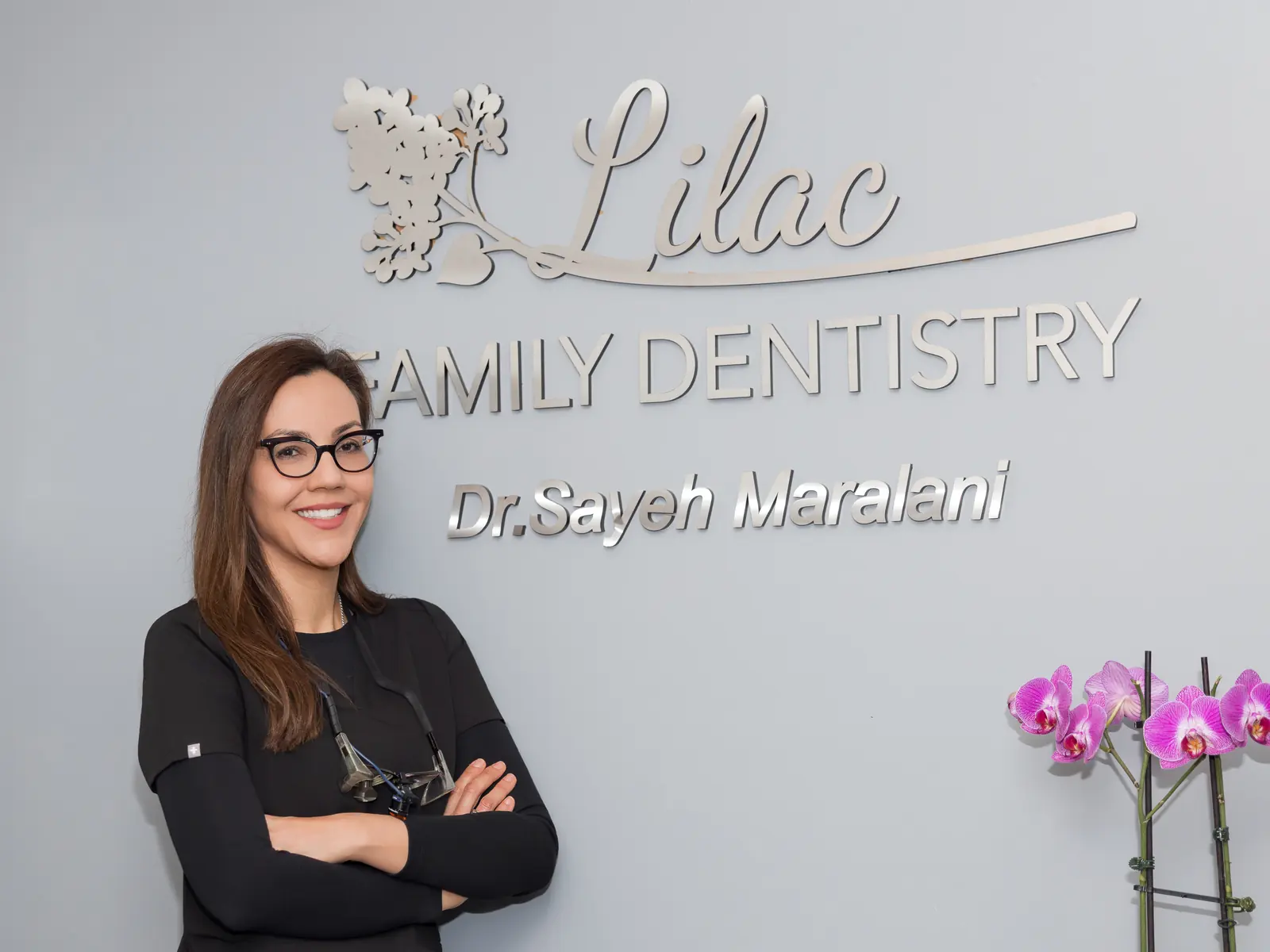
General information only; not a substitute for an exam. Reviewed by Dr. Sayeh Maralani, DDS, general dentist. Last updated 2026-11-03.
Book your family's next visit
New patients welcome. We check your coverage before treatment.